
GST Registration, Process, Eligibility & Documents Required Manthan Experts March 10, 2026 Blog, GST Introduction The GST was first introduced in India on July 1, 2017, as part of the One Nation, One Tax initiative, aimed at simplifying the country’s tax structure. It replaced multiple indirect taxes such as excise duty, VAT, service tax, and other state-level taxes, streamlining the taxation system into a single, unified tax. What is GST Registration? GST registration is mandatory for businesses that meet certain turnover thresholds, ensuring they are legally recognized under the GST regime and are eligible to collect tax from customers. To comply with GST, entities required to obtain a unique GST Identification Number which helps in levy and remit GST to the governing bodies. Who is Eligible for GST Registration? Mandatory GST Registration (Turnover-Based & Other Criteria) A business must register for GST if: Turnover Criteria: Regarding Goods: Yearly revenue surpasses ₹4 million (₹2 million for designated special states). For Supply of Services: Threshold Limit exceeds ₹20 lakh (₹10 lakh for special category states) any time during the financial year. For Both Goods & Services: Threshold is ₹20 lakh (₹10 lakh for special category states). Interstate Business: When you provide supply of goods or services to a different state (cross-state commerce). E-Commerce Sellers & Aggregators: Entities trading via online marketplaces such as Amazon, Flipkart, Zomato, Swiggy, etc. Casual Taxable Persons & Non-Resident Taxpayers: Businesses that operate temporarily in India (e.g., event-based businesses). Reverse Charge Mechanism (RCM): Should a firm be responsible for tax payment under the reverse charge mechanism. E-Invoicing & Input Tax Credit (ITC) Claimants: Enterprises seeking to utilize their purchase tax credits are required to enroll. Compulsory Registration for Certain Businesses: Businesses dealing in taxable supplies, agents, Input Service Distributors (ISD), and those deducting tax at source (TDS under GST). Special Category States: such as Manipur, Mizoram, Tripura, Nagaland, Puducherry, Uttarakhand, Meghalaya and Arunachal Pradesh. GST Registration Process (Step-by-Step Guide) Step 1: Visit the GST Portal Go to the official GST Portal. Click on “Services” → “Registration” → “New Registration”. Step 2: Complete Section A of the Enrollment Application (GST REG-01). Select “Taxpayer” under “I am a”. Then fill your PAN, mobile number, email address, and proof of business location. Verify the OTP received on your registered mobile and email to authenticate your details. Receive a Temporary Reference Number (TRN) for further process which required for tracking of applications. Step 3: Complete Section B of the Registration Application. Upload supporting documents such as proof of business address (e.g., utility bills, lease agreement), bank statement or cancelled cheque, and any relevant registration certificates. Select the registration category (Regular, Composition Scheme, etc.). Submit the application using Digital Signature Certificate (DSC) or Aadhaar-based OTP authentication. Step 4: Application Processing & Verification Following submission, the enrollment request undergoes scrutiny by the GST authority. If required, additional documents may be requested. Step 5: GSTIN Issuance Once approved, a 15-character GST Identification Number is granted. The Registered person under GST can be downloaded Registration Certificate (GST REG-06) from the online platform. Documents Required for GST Registration For Proprietorship Firms: Upload a copy of the PAN card and Aadhaar card of the proprietor to verify identity and ownership of the business. Passport-size photo. Provide business address proof, such as a recent electricity bill, rental agreement, or No Objection Certificate (NOC) from the property owner. Required to Submit bank account details, either through a cancelled cheque or a recent bank statement within 45 Days from the date of Granting Registration Certificate. For Partnership Firms & LLPs: PAN card of the partnership firm. Partnership deed. Upload the Aadhaar and PAN cards with self-attested of all partners involved in the business to verify their identity and association with the entity. Passport-size photos of partners. Business address proof. Bank account details. For Private Limited Company & OPC: PAN card of the company. Certificate of incorporation. Furnish a version of the Company Charter (MoA) and Internal Regulations (AoA) for incorporated entities, detailing the enterprise’s aims, guidelines, and operational framework. Aadhaar & PAN cards of directors. Passport-size photos of directors. Board resolution for GST authorization. Business address proof. Bank account details. Additional Documents (if applicable): Letter of Authorization (for authorized signatory). Submit a valid Digital Signature Certificate (DSC) for the authorized signatory who verify the all official compliances , required for companies and LLPs. Types of GST Registration Regular GST Registration: Regular GST Registration is required for businesses whose annual turnover exceeds the prescribed limits set by the government.. Composition Scheme: Composition Scheme is tailored for smaller enterprises possessing a yearly revenue not exceeding ₹15 million. Casual Taxable Person: Who required to obtain Temporary business registration for events. Non-Resident Taxpayer: Non-Resident Taxpayer registration is required for foreign entities supplying goods or services in India, either directly or through intermediaries. Digital Commerce GST Enrollment: GST Enrollment for Digital Commerce is necessary for firms engaged in selling products or services via electronic platforms or digital marketplaces. Penalty for Not Registering Under GST If Business owners Failure to take GST Registration: A fine of 10% of the tax due (at least ₹10,000). Intentional Tax Avoidance: A penalty equal to 100% of the evaded tax. Under GST Law, Penalty for late fee of Rs. 50 per day ( Rs. 25 each under CGST and SGST). Conclusion GST registration is a vital procedure for enterprises to adhere to tax regulations and conduct lawful operations of their business within India. By comprehending the qualifying conditions, enrollment steps, and necessary paperwork, businesses can secure seamless GST adherence. If you require assistance with Goods & service Tax Compliance, Manthan Experts can be your trusted advisor. Contact them at info@manthanexperts.com.to discuss your specific needs and explore how their expertise can benefit your business. Search Table of Contents Introduction What is GST Registration? Who is Eligible for GST Registration? GST Registration Process (Step-by-Step Guide) Documents Required for GST Registration Types of GST Registration Penalty for Not Registering Under GST Conclusion Latest Blog and News Audit & Assurance Blog Bookkeeping & Accounting GST Income Tax Consultancy ITR e-Filing Knowledge Update Payroll (PF & ESIC)

Author: Manthan Experts
How to Avoid Common Tax Filing Mistakes for NRIs
How to Avoid Common Tax Filing Mistakes for NRIs Manthan Experts August 21, 2025 Blog, Income Tax Consultancy, ITR e-Filing Who are NRI’s For this First of all we need to understand Who are NRI’s? NRI stands for Non-Resident Indian. An NRI is an Indian citizen who resides outside India for employment, business, education, or other purposes for an extended period. The classification of an individual as an NRI is typically based on the number of days they spend in India during a financial year. Definition as per Income Tax Act (India) An individual is considered an NRI if: • They have stayed in India for less than 182 days during the financial year (April 1 – March 31). • They have stayed in India for less than 60 days in a financial year and less than 365 days in the past four years, subject to certain conditions. Definition as per FEMA (Foreign Exchange Management Act, 1999) Under FEMA, an NRI is a person who resides outside India but holds an Indian passport. FEMA classification focuses on the intention to stay abroad rather than just the number of days. Categories of NRIs 1. Indian citizens living abroad – People who have Indian citizenship but live outside India. 2. Persons of Indian Origin (PIOs) – Foreign citizens (except those from Pakistan and Bangladesh) with Indian ancestry. 3. Overseas Citizens of India (OCIs) – Foreign nationals who have an OCI card, granting them some benefits similar to NRIs. Common Reasons for NRI Status • Employment or job opportunities abroad • Business or trade outside India • Education in a foreign country • Staying with family settled overseas Example: 🔹 Rahul, an Indian citizen working in the USA, visited India for 150 days in FY 2024-25. 🔹 In the last 4 years, he stayed in India for a total of 400 days. ✅ Condition 1 (182 days rule): ❌ Not met (stayed only 150 days). ✅ Condition 2 (60 days & 365 days rule): ✅ Met (stayed 60+ days this year and 365+ in 4 years). 💡 Rahul would still be an NRI because the 60-day rule does not apply to an Indian citizen working abroad. Is it Necessary for NRI to File ITR Whether an NRI (Non-Resident Indian) needs to file an Income Tax Return (ITR) in India depends on their income sources and taxable income in India. Here’s a breakdown of the key rules: When is it Mandatory for an NRI to File ITR? An NRI must file an ITR in India if: ✅ Total Taxable Income in India Exceeds ₹2.5 Lakhs • If an NRI’s income earned in India (such as rent, interest, or capital gains) exceeds ₹2,50,000 in a financial year, they must file an ITR. ✅ TDS Deducted, But Refund is Due • If an NRI has Tax Deducted at Source (TDS) on income (e.g., rent, bank interest, or capital gains) but their total taxable income is below ₹2.5 lakhs, they should file an ITR to claim a refund. ✅ Capital Gains from Investments in India • If an NRI earns short-term or long-term capital gains from selling property, shares, mutual funds, or other assets in India, they must file an ITR, even if their total income is below ₹2.5 lakhs (since capital gains are taxable without exemption). ✅ If They Want to Carry Forward Losses • If an NRI has incurred losses (e.g., from property, stocks, or business in India), filing an ITR allows them to carry forward the losses to offset against future income. ✅ If Required Due to Special Cases • If an NRI has foreign assets that need to be reported under Schedule FA (for tax compliance purposes). • If the NRI holds directorship in an Indian company or owns unlisted equity shares in India. Example: 🔹 Rahul, an NRI working in Dubai, earns: • ₹4,00,000 rental income from his apartment in India. • ₹1,50,000 as interest from an NRO Fixed Deposit (taxable). • ₹2,00,000 as long-term capital gains (LTCG) from selling equity mutual funds. ✅ Total taxable income before deductions = ₹7,50,000 ✅ Deductions under Section 80C & 80D: • ₹1,50,000 invested in PPF (80C) • ₹30,000 paid for health insurance premium (80D) 🔹 Taxable Income after deductions = ₹5,70,000 (still above ₹2.5 lakh) ✅ Rahul must file an ITR as his taxable income exceeds ₹2.5 lakh. How to Avoid Common Tax Filing Mistakes for NRIs For Non-Resident Indians (NRIs), tax filing can be a complex process due to varying regulations and compliance requirements in India. Even a small oversight can lead to penalties, notices, or unnecessary financial burdens. To help NRIs navigate tax filing smoothly, we have outlined the most common mistakes and how to avoid them. 1. Incorrect Residential Status Declaration Determining your residential status is crucial as it impacts your tax liabilities. Many NRIs miscalculate their stay duration in India, leading to incorrect tax filing. The Income Tax Act defines an individual as an NRI if: • They have stayed in India for less than 182 days during the financial year (April 1 – March 31). • They have stayed in India for less than 60 days in a financial year and less than 365 days in the past four years making it necessary to check before filing. How to Avoid: Carefully track the number of days spent in India and consult a tax expert to determine your residential status accurately. 2. Failure to Report Global Income NRIs are required to pay tax only on income earned or accrued in India. However, many mistakenly report or fail to disclose foreign income, which can lead to unnecessary scrutiny by tax authorities. How to Avoid: Ensure you only declare income earned in India and maintain proper documentation of foreign earnings to prevent errors. 3. Ignoring Tax Deducted at Source (TDS) on Indian Income NRIs often overlook the TDS deductions on income sources such as rental income, capital gains, or interest from Indian bank accounts. If not accounted for properly, this can lead to double taxation. How to Avoid: Verify the TDS deductions on Form 26AS and claim refunds or benefits under the Double Taxation Avoidance Agreement (DTAA) if applicable. 4. Not Filing an Income Tax Return (ITR) When Required Some NRIs assume they are exempt from filing an ITR if their income falls below… Continue reading How to Avoid Common Tax Filing Mistakes for NRIs
How to Choose the Right Tax Consultant for Your Business.

How to Choose the Right Tax Consultant for Your Business. Manthan Experts July 14, 2025 Income Tax Introduction Choosing the right tax consultant is crucial for any business, whether you are a startup, small enterprise, or large corporation. Tax compliance and planning can be complex, requiring expert guidance to navigate changing regulations, avoid penalties, and optimize tax savings. A reliable tax consultant not only ensures accurate tax filing but also provides strategic financial advice to help your business grow efficiently. This guide will help you understand the key factors to consider when selecting a tax consultant who best fits your needs. A knowledgeable tax consultant can help streamline your business finances, ensuring that you take full advantage of available deductions and tax benefits. They can also assist in financial planning, forecasting potential tax liabilities, and offering insights on tax-efficient investment strategies. Moreover, with increasing scrutiny from tax authorities, having a professional on your side ensures that you are always prepared for audits, tax assessments, or any legal challenges that may arise. Beyond just compliance, the right tax consultant can act as a financial advisor, helping you structure your business operations in a way that minimizes tax burdens while maximizing profitability. With expertise in business taxation, GST, income tax, and regulatory compliance, they become an essential partner in sustaining long-term business growth. Selecting the right tax consultant is not just about meeting legal requirements—it’s about making informed financial decisions that benefit your business in the long run. Here’s a comprehensive guide to assist you in making the right choice. Why Do You Need a Tax Consultant? A tax consultant provides expert guidance on tax-related matters, ensuring that businesses remain compliant and financially efficient. Here are some key reasons why hiring a tax consultant is beneficial: Ensure Compliance with Tax Laws: Tax regulations are complex and frequently updated. A tax consultant helps you stay compliant with the latest legal requirements, avoiding penalties and legal consequences. Accurate Tax Filing: Mistakes in tax filing can lead to penalties, delays, or audits. A tax consultant ensures accuracy in income tax, GST, and other business tax filings. Optimize Tax Savings: Tax consultants help identify deductions, exemptions, and credits that businesses might otherwise overlook. This can significantly reduce the tax burden and improve profitability. Time and Effort Savings: Handling tax matters can be time-consuming. A tax consultant takes over these responsibilities, allowing business owners to focus on growth and operations. Expert Assistance with Tax Notices and Audits: If your business receives a tax notice or is selected for an audit, a tax consultant can provide expert guidance, represent you before tax authorities, and ensure a smooth resolution. Strategic Tax Planning: Beyond compliance, tax consultants provide valuable advice on structuring business transactions, investments, and expenses in a tax-efficient manner. Handling International Taxation: If your business deals with cross-border transactions, a tax consultant with expertise in international tax laws can ensure compliance and minimize double taxation. By hiring a knowledgeable tax consultant, businesses can navigate the complexities of taxation efficiently and focus on their core operations without unnecessary financial risks. Essential Criteria for Selecting the Right Tax Consultant 1. Experience and Expertise Look for a consultant with extensive experience in handling tax matters for businesses similar to yours. Expertise in GST, income tax, corporate tax, and tax planning strategies is crucial. 2. Certifications and Qualifications Ensure that the consultant is a Chartered Accountant (CA), Cost Accountant, or a Certified Tax Practitioner with proper credentials. Verify their registration with professional tax bodies. Chartered Accountant (CA) – Suitable for complex tax and audit-related matters. Certified Public Accountant (CPA) – Ideal for businesses operating internationally. Tax Consultant with Government Registration – Ensures compliance with local tax laws. GST Practitioner – If your business deals with Goods and Services Tax (GST). 3. Industry-Specific Knowledge Every industry has different tax implications. A consultant with experience in your business sector will understand industry-specific deductions, GST applicability, and compliance requirements better. 4. Up-to-Date with Tax Laws Tax laws change frequently. Choose a consultant who stays updated with the latest amendments and government policies to provide accurate tax advice. 5. Reputation and Reviews Check online reviews, client testimonials, and references to assess the consultant’s reliability and professionalism. Word-of-mouth recommendations can also be valuable. 6. Range of Services Offered A good tax consultant should offer a comprehensive range of services, including: GST registration and filing Income tax return filing Tax planning and advisory Business tax audits Handling tax disputes and notices 7. Availability and Communication Your tax consultant should be accessible when needed. Clear communication and prompt responses to queries are vital, especially during tax filing seasons. 8. Technology and Digital Accessibility Modern tax consultants use digital tools, cloud-based accounting software, and online filing systems. Choose a consultant who leverages technology for efficiency and security. 9. Transparent Pricing Understand the fee structure before hiring. Some consultants charge hourly, while others offer package-based pricing. Compare rates but don’t compromise quality for a lower price. 10. Legal and Ethical Standards Ensure your tax consultant follows ethical practices and does not encourage tax evasion or fraudulent activities. Compliance and integrity should be their top priority. Conclusion Selecting the right tax consultant is not just about fulfilling a legal requirement—it’s about securing the financial future of your business. A skilled and trustworthy tax consultant can be your strategic partner, ensuring compliance, maximizing tax benefits, and providing valuable financial insights. Investing in the right expert today can save you from financial troubles and legal hassles down the line. With taxation laws becoming more complex and regulatory scrutiny increasing, having a professional who understands the intricacies of tax planning can give your business a competitive edge. A proactive tax consultant helps you not only meet deadlines but also strategize for long-term financial success. The right advisor can safeguard your business from costly mistakes, enhance your financial stability, and contribute to sustainable growth. Don’t leave your taxes to chance—take the time to choose a consultant who aligns with your business goals and values. Their expertise can… Continue reading How to Choose the Right Tax Consultant for Your Business.
How to Respond Defective Return Notice Under Section 139(9)
How to Respond Defective Return Notice Under Section 139(9) Manthan Experts July 14, 2025 Income Tax Introduction Receiving a notice from the Income Tax Department can be stressful, especially when it’s related to a defective return under Section 139(9). A defective return notice means that your income tax return (ITR) has errors or missing details that need to be corrected. Ignoring or failing to respond to this notice can result in your return being treated as invalid, leading to penalties or missed refunds. In this guide, we’ll explain why you might receive a Section 139(9) notice, how to respond to it step-by-step, and the consequences of not addressing it on time. Let’s break it down in simple terms to help you navigate this situation smoothly. What is a Defective Return Notice Under Section 139(9)? A defective return notice under Section 139(9) of the Income Tax Act, 1961 is issued when the tax department finds discrepancies or missing details in the income tax return filed by a taxpayer. The notice specifies the defects and provides a deadline (usually 15 days from the date of receipt) to correct them. Example: Suppose you filed your return using ITR-1 (meant for salaried individuals) but had business income, which requires you to file ITR-3. In this case, the tax department will issue a defective return notice asking you to file the correct form. Common Reasons for a Defective Return Notice Understanding why you received the notice can help you fix the issue quickly. Here are some of the most common reasons: 1. Incomplete or Incorrect Information Missing details like PAN (Permanent Account Number), bank account information, or income details. Incorrect assessment year or financial year mentioned. 2. Mismatch in Reported Income and TDS If the income reported in your ITR does not match the details available in Form 26AS (which shows TDS details), a notice may be issued. Example: You reported ₹5,00,000 as salary income, but Form 26AS shows ₹6,00,000 — this mismatch could trigger a defective return notice. 3. Incorrect ITR Form Used Filing ITR-1 instead of ITR-2 or ITR-3 based on your income type. Business owners and professionals must file ITR-3, but if they mistakenly file ITR-1, a defective return notice will be issued. 4. Failure to Attach Mandatory Documents Not attaching supporting documents like: Balance sheet (if applicable) Profit and Loss statement Proof of deductions (Section 80C, 80D, etc.) 5. Missing or Invalid Taxpayer’s Details Errors in name, address, or other personal information. PAN or Aadhaar mismatch with tax department records. 6. Non-compliance with Filing Guidelines Filing returns under the wrong ITR form. Not providing the necessary details for specific income types (like capital gains). How to Respond to a Defective Return Notice Follow these steps to respond to a defective return notice through the Income Tax e-filing portal: Step 1: Log in to the Income Tax Portal Go to the official website: https://www.incometax.gov.in Log in using your PAN/Aadhaar and password. Step 2: Access the Defective Notice After logging in, go to: Dashboard → Pending Actions → E-Proceedings → Response to Defective Return Notice Select the notice issued under Section 139(9). Step 3: Review the Defect Details Open the notice and carefully review the defect(s) mentioned. Note down the section and the specific error flagged by the department. Step 4: Choose Your Response You will get two options: Agree with the defect – If you agree with the defect, correct the return and resubmit it. Disagree with the defect – If you believe the notice is incorrect, provide a justification. Step 5: Correct the Defective Return (if agreeing with the defect) If you agree with the defect: Go to ‘File Income Tax Return’ under the e-filing section. Select the option ‘In response to notice under Section 139(9)’. Make the necessary corrections in the return (e.g., correct income details, TDS mismatch, ITR form type). Submit the revised return. Step 6: Submit Your Response Once the corrected ITR is uploaded, go back to ‘Response to Defective Return’ section. Select ‘Response’ → ‘Return is corrected and being filed’ → Submit. Step 7: E-Verify the Revised Return After filing the revised return, you must e-verify it within 30 days using: Aadhaar OTP Net Banking EVC (Electronic Verification Code) Sending signed ITR-V to CPC, Bengaluru Step 8: Track the Status Go to ‘Dashboard → My Account → View Filed Returns’ to track the processing status. If accepted, you will receive an intimation under Section 143(1) confirming the return is processed. If You Disagree with the Defect If you believe the notice is incorrect: Select ‘Disagree with the defect’ in the response section. Provide a detailed explanation with supporting documents (like Form 16, Form 26AS, AIS, etc.). Submit your response online. Consequences of Not Responding to the Notice If you fail to respond to the defective return notice within the specified time (usually 15 days), the following consequences may apply: 🔴 Return Becomes Invalid The tax department may treat your return as invalid. This means you will be considered as not having filed a return at all. 🔴 Penalties and Interest Non-compliance could attract penalties and interest on unpaid taxes. Section 234F allows the tax department to impose a fine for late filing. 🔴 Loss of Refund If your return included a refund claim, it will be rejected if the return is treated as invalid. Example : Let’s say a taxpayer files ITR-2 instead of ITR-3 and forgets to report capital gains from mutual funds. The tax department issues a defective return notice under Section 139(9). If the taxpayer corrects the return on time, the tax department will process the refund and close the case. However, if ignored, the return will become invalid, and the taxpayer could face penalties. Tips to Avoid a Defective Return Notice ✅ Double-check income and TDS details with Form 26AS. ✅ Use the correct ITR form based on your income type. ✅ Ensure all required documents are attached before submitting the return. ✅ Verify PAN, Aadhaar, and bank details for accuracy. ✅ If unsure, consult a tax expert to avoid mistakes. FAQs Q1: How long do I have to respond to a Section 139(9) notice? You have 15 days from the date of receiving the notice to respond. An extension may be granted if requested. Q2:… Continue reading How to Respond Defective Return Notice Under Section 139(9)
How to Treat Income Earned from Tuitions in Income Tax Returns in 2025

How to Treat Income Earned from Tuitions in Income Tax Returns in 2025 Manthan Experts July 14, 2025 Income Tax Consultancy, Knowledge Center Introduction Income earned from private tuitions is a common source of earnings, especially for teachers, students, and professionals offering academic or skill-based coaching. However, many individuals are unaware of how to correctly declare this income while filing their Income Tax Returns (ITR). This blog provides a detailed guide on: Understanding Tuition Income Tax Treatment of Tuition Income How to Show Tuition Income in ITR Deductions Allowed Against Tuition Income Best Tax-Saving Alternatives Important Points to Consider What is Tuition Income? Tuition income refers to the revenue earned by an individual or an educational institution from providing educational services, such as teaching academic subjects, coaching, or training. It is a common source of income for private tutors, coaching centers, schools, colleges, and universities. Sources of Tuition Income Tuition income can be generated from various sources, including: Private Tutoring – Income earned by individual tutors for teaching students one-on-one or in small groups. Coaching Centers – Earnings from organized classes for subjects like math, science, languages, or competitive exams. Online Tutoring – Revenue from virtual teaching via platforms like Zoom, Google Meet, or online learning portals. Educational Institutions – Schools, colleges, and universities charge tuition fees from students for academic courses. Skill-Based Training – Earnings from professional or vocational training, such as coding, music, or language classes. Alternatively, if the tuition is irregular or casual in nature, it can be shown under “Income from Other Sources” How Income Earned from Tuitions Treated in Income Tax Returns? The taxation of tuition income depends on the structure of the income earner, whether it is an individual tutor, a coaching center, or an educational institution. Below is a detailed explanation of how tuition income is treated in income tax returns (ITR). 1. Classification of Tuition Income in Income Tax A. Individual Tutors (Freelancers or Self-Employed) For an individual tutor, tuition income is considered professional income under the head “Income from Business or Profession” in their tax return. B. Coaching Centers & Educational Institutions For coaching centers or private educational institutions, tuition income is treated as business income and taxed under “Income from Business or Profession.” If the institution is a registered non-profit organization (NGO or Trust), it may qualify for exemptions under education-related tax laws. 2. Taxability of Tuition Income for Individuals 1. Taxable Slab Rates Tuition income is added to the total taxable income and taxed based on applicable income tax slab rates. If the individual opts for the presumptive taxation scheme under Section 44ADA, only 50% of the gross receipts are considered taxable, and no further deductions are allowed. 2. Allowable Deductions (for self-employed tutors): Tutors can deduct expenses incurred for tuition services, such as: Rent (if teaching from a rented premises). Internet & Electricity Bills (if online tutoring is conducted). Teaching Materials (books, software, and stationery). Marketing & Advertising (costs for promoting tutoring services). Travel Expenses (if commuting to students’ homes for tutoring). 3. Presumptive Taxation Scheme (Section 44ADA – India Specific) If the gross annual tuition income is below ₹50 lakhs, tutors can opt for presumptive taxation under Section 44ADA of the Income Tax Act. Only 50% of the income is considered taxable, and no further deductions for expenses are allowed. This reduces compliance, as no need to maintain detailed books of accounts. 3. Tax Treatment for Coaching Centers & Private Institutions 1. Regular Business Taxation Coaching centers and private educational institutions file their taxes under business income. They must maintain proper books of accounts and file ITR-3 (for proprietorship) or ITR-5/ITR-6 (for companies & LLPs). 2. Applicable Deductions for Coaching Centers They can claim deductions on: Staff salaries (payments to teachers and administrative staff). Rent & Utilities (if operating from a commercial space). Advertising & Promotion (digital marketing, flyers, etc.). Depreciation on Assets (computers, projectors, whiteboards). 3. GST Applicability on Tuition Fees Exemption for School & College Education: If an institution provides education recognized by a government authority, tuition fees are exempt from GST. GST for Coaching Centers: If a coaching center’s revenue exceeds the GST registration limit (₹20-40 lakhs in India), it must register for GST and charge 18% GST on services. Online Tuition Services: GST may be applicable if providing services across different states or internationally. Tax Filing Process for Tutors and Institutions Steps to File Tax Returns Determine Gross Tuition Income (fees received from students). Deduct Eligible Expenses (rent, internet, staff salaries, etc.). Calculate Taxable Income (net profit after deductions). Apply for Exemptions (if applicable) for educational institutions. File Tax Return (ITR-3, ITR-5, or ITR-6) before the due date. Tax Benefits & Exemptions 1. Educational Institutions Registered as Charitable Trusts If the institution is registered as a charitable trust under Section 12A/80G, tuition fees may be exempt from income tax. Schools and colleges providing government-recognized education may also be exempt. 2. Tax Rebates for Individual Tutors If the tuition income is below the basic exemption limit (e.g., ₹2.5 lakhs for individuals in India), no tax is payable. Taxpayers can also claim deductions under Section 80C (if investing in tax-saving instruments). Example: If your yearly tuition income is ₹6,00,000 and expenses on internet, rent, and stationery are ₹1,50,000, then you will pay tax only on ₹4,50,000. Important Points to Consider Always maintain proper records of tuition fees received Prefer online payments for transparency File ITR before the due date to avoid penalties If income exceeds ₹2.5 lakh, ITR filing is mandatory Penalty for Non-Compliance Failure to Report Tuition Income → Can lead to tax audits, penalties, and interest on unpaid tax. Not Filing GST (if applicable) → Coaching centers may face fines and legal action. Incorrect Tax Filing → Can result in notices from the tax department. Conclusion Individual tutors report tuition income under “Income from Business or Profession” and can opt for presumptive taxation (44ADA). Coaching centers & institutions report tuition fees as business income and must follow normal tax rules. GST is applicable to coaching centers but exempt for government-recognized educational institutions. Proper record-keeping is essential to claim tax deductions and exemptions. If you require assistance in filing your Income Tax Return for Tuition Income, Manthan Experts can be your trusted advisor. Contact them at info@manthanexperts.com. to discuss your specific needs and explore how their expertise can benefit your business. Table of Contents Introduction What… Continue reading How to Treat Income Earned from Tuitions in Income Tax Returns in 2025
Income Tax Notices: Types, Reasons & How to Respond in 2026
Income Tax Notices: Types, Reasons & How to Respond in 2026 Manthan Experts March 10, 2026 Blog, Income Tax Consultancy, ITR e-Filing Introduction In India, the Income Tax Department sends various types of notices to taxpayers for different reasons, ranging from routine information requests to serious tax discrepancies. Receiving an Income Tax notice can often cause panic, but not all notices are issued due to default or mistakes. These notices can be for simple verification, assessment of your income, or reminders for non-compliance. Understanding the nature of the notice, its purpose, and how to respond is crucial to avoid legal complications and ensure smooth communication with the tax authorities. This guide will help you understand different types of Income Tax notices, why they are issued, and the appropriate actions to take upon receiving them. Here are the main types of income tax notices, along with the relevant sections and reasons: Section 139(9) – Defective Return Notice The Income Tax Department issues a Section 139(9) notice when a filed Income Tax Return (ITR) is considered defective or incomplete due to missing or incorrect information. This notice allows taxpayers to rectify the defects within a specified time to avoid rejection of the return. Reasons for Receiving Section 139(9) Defective Return Notice A return is considered defective if: Mandatory details like PAN, income details, or tax payments are missing Mismatch between declared income and tax payments Incomplete return filing without submitting essential schedules Filing ITR-1 or ITR-4 despite having income not allowed under these forms Claimed deductions without providing income details Not attaching audit reports (if applicable) Errors in TDS or advance tax claims Incorrect bank details for refund Action: The taxpayer must rectify the defect within a specified time frame. Time Limit to Respond You need to respond to the defective return notice within 15 days from the date of receiving the notice. However, the Assessing Officer may grant an extension if requested. What Happens If You Don’t Respond? If you fail to rectify the defect within the given time, your ITR will be treated as invalid, meaning it will be considered as if you never filed it. This can result in: Loss of tax refunds Late filing penalties Interest under Section 234A, 234B, and 234 Section 143(1) – Intimation Notice The Section 143(1) Intimation Notice is one of the most common notices issued by the Income Tax Department after processing your Income Tax Return (ITR). This notice is not always a cause for concern but serves as a communication regarding the preliminary assessment of your return. It informs you whether your return has been accepted as it is, or if there are any discrepancies in the tax calculation. Reason for Receiving Section 143(1) Intimation Notice The notice is issued after the Income Tax Department automatically processes your return through its Centralized Processing Centre (CPC). The reasons for this notice can be: Confirmation that the return is accepted without any discrepancies Mismatch between the income declared by the taxpayer and the department’s calculation Error in claiming deductions or exemptions Discrepancy in TDS or Advance Tax payments Excess or shortfall of tax payments Mathematical errors or incorrect reporting of income Action: Review the Notice Download and carefully review the notice. Check the comparison between the department’s calculation and your return. Choose the Correct Response If you agree with the demand, pay the outstanding tax amount online. If you disagree, file a Rectification Request under Section 154 by providing supporting documents. Time Limit to Respond You must respond to the notice within 30 days from the date of receiving the intimation. If no response is submitted, the department assumes you agree with the demand and initiates recovery proceedings What Happens If You Ignore the Notice? Missing the deadline may lead to: Automatic adjustment of refund (if any) against the demand Penalty and interest on the pending tax amount Legal action or tax recovery proceedings Section 142(1) – Notice for Filing Income Tax Return The Section 142(1) Notice is issued by the Income Tax Department to taxpayers to ensure timely filing of Income Tax Returns (ITR) or to gather additional information for an ongoing assessment. This notice is typically sent when the taxpayer has either not filed their return or if further details are required to complete the assessment process. It is important to respond to this notice promptly to avoid legal consequences. Reason for Receiving Section 142(1) Notice The Income Tax Officer can issue a Section 142(1) Notice under the following circumstances: Non-Filing of ITR: When a taxpayer has not filed their ITR within the due date, despite having taxable income. Preliminary Inquiry Before Assessment: If the department requires additional information, documents, or explanations to verify the details in the return already filed. Mismatch in Reported Income: When the department suspects under-reporting of income or non-disclosure of certain income sources. High-Value Transactions: If the taxpayer is involved in high-value transactions (such as property purchase, large cash deposits, or investments) without filing an ITR. What Action Should You Take? Download and Read the Notice Carefully Understand the exact reason mentioned in the notice and the details requested by the Assessing Officer. File the Income Tax Return (if not filed) If the notice is for non-filing of ITR, immediately file your return along with the late fee and interest applicable under Section 234F and Section 234A/B/C. Submit Information (if requested) If the notice requires additional documents (like bank statements, property purchase deeds, or expense details), upload scanned copies of the required documents online. Time Limit to Respond The response to the Section 142(1) notice must be submitted within the time specified in the notice (usually 15 to 30 days). If more time is needed, the taxpayer can request an extension from the Assessing Officer. What Happens If You Ignore the Notice? Ignoring the notice can result in: Best Judgment Assessment under Section 144 Penalties under Section 271(1)(b) (₹10,000 for each failure) Prosecution under Section 276CC (if taxable income exceeds ₹25 lakh) Section 143(2) – Scrutiny… Continue reading Income Tax Notices: Types, Reasons & How to Respond in 2026
Income Tax Penalty for Late Filing & Non-Compliance in 2026

Income Tax Penalty for Late Filing & Non-Compliance in 2026 Manthan Experts March 10, 2026 Blog, Income Tax Consultancy, ITR e-Filing Introduction Penalties under the Income Tax Act, 1961,(IT Act) are levied for various defaults made. Tax evasion and non-compliance can have serious consequences. The Income Tax Act, 1961, levies a range of penalties on taxpayers who fail to fulfill their tax obligations. This article will delve into some key sections of the Act that outline the penalties for not paying income tax in India. Income Tax Penalty for Late Filing 1. Penalty under Section 221(1) of the Income Tax Act. Section 221(1) of the Income Tax Act, 1961, deals with the penalties levied on taxpayers who fail to pay their taxes on time. Consequences of Tax Default: Penalties: The primary consequence of tax default under Section 221(1) is the imposition of a penalty. The penalty amount is typically calculated as a percentage of the unpaid tax. Interest Charges: In addition to the penalty, interest is charged on the unpaid tax amount from the due date of payment until the date of actual payment. Reputational Damage: Tax defaults can damage a taxpayer’s reputation and credibility, especially for businesses and professionals. Legal Action: In severe cases of persistent non-compliance, the Income Tax Department may initiate legal proceedings, which can include prosecution and further penalties. Penalty Rate: The penalty rate under Section 221(1) is generally 1% per month or part thereof on the unpaid tax amount. The maximum penalty is usually capped at the amount of the unpaid tax. 2. Fee Under Section 234E of the Income Tax Act. Section 234E of the Income Tax Act, 1961, levies a fee on taxpayers who fail to furnish Tax Deducted at Source (TDS) or Tax Collected at Source (TCS) statements within the prescribed deadlines. Key Provisions: Late Filing Fee: A fee of ₹200 per day is charged for each day of delay in filing the TDS/TCS statements. Maximum Fee: The total fee under Section 234E cannot exceed the total amount of TDS or TCS that was required to be deducted or collected. Due Dates: TDS/TCS statements are typically required to be filed quarterly within specific deadlines. Fee under section 234F of the IT Act – For default in furnishing Return of Income 3. Fee Under Section 234F of the Income Tax Act. Section 234F of the Income Tax Act, 1961, imposes a penalty on taxpayers who fail to file their Income Tax Return (ITR) before the due date. Key Provisions: Late Filing Fee: A late filing fee is applicable if the ITR is filed after the due date. For taxpayers with a total income exceeding ₹5 lakhs: The fee is ₹5,000. For taxpayers with a total income below or equal to ₹5 lakhs: The fee is ₹1,000. 4. Penalty under Section 271H of the Income Tax Act. Section 271H of the Income Tax Act, 1961, deals with the penalty for non-filing or incorrect filing of Tax Deducted at Source (TDS) or Tax Collected at Source (TCS) returns. Key Provisions: Applicability: This section applies when a person fails to furnish a TDS/TCS statement within the prescribed time limit or furnishes incorrect information in such statements. Penalty Amount: The penalty under Section 271H can range from a minimum of ₹10,000 to a maximum of ₹1,00,000. Discretion of Assessing Officer: The Assessing Officer has the discretion to determine the appropriate penalty amount within this range based on the severity of the default and other relevant factors. Circumstances where Penalty May Not be Levied: Reasonable Cause: If the taxpayer can demonstrate a reasonable cause for the delay or error in filing the TDS/TCS return. Filing Within One Year: If the TDS/TCS return is filed within one year from the prescribed due date, along with the payment of TDS/TCS, late filing fee under Section 234E, and applicable interest. Waiver or Reduction: The Commissioner of Income Tax may waive or reduce the penalty in certain circumstances. 5. Penalty under Section 271C of the Income Tax Act. Section 271C of the Income Tax Act, 1961, imposes a significant penalty on any person who fails to deduct the whole or any part of the tax as required under Chapter XVII-B of the Act, which deals with Tax Deducted at Source (TDS). Key Provisions: Severe Penalty: The most crucial aspect of Section 271C is the severity of the penalty. The penalty levied is equal to the amount of tax that the person failed to deduct. This can be a substantial financial burden, especially for businesses with high TDS obligations. Applicability: This penalty applies to any individual or entity responsible for deducting tax at source under various provisions of Chapter XVII-B, such as: Salaries paid to employees Payments to contractors Rent payments Interest payments Professional fees 6. Penalty under Section 271CA of the Income Tax Act. Section 271CA of the Income Tax Act, 1961, imposes a penalty on any person who fails to collect Tax Collected at Source (TCS) as required under Chapter XVII-BB of the Act. Key Provisions: Severe Penalty: The most crucial aspect of Section 271CA is the severity of the penalty. The penalty levied is equal to the amount of tax that the person failed to collect. This can be a substantial financial burden, especially for businesses dealing in transactions where TCS is applicable. 7. Penalty under Section 271A of the Income Tax Act. Section 271A of the Income Tax Act, 1961, deals with the penalty for failure to maintain proper books of account and other relevant documents as required by law. Key Provisions: Applicability: This section applies to any person who is required to maintain books of account or other documents under the Income Tax Act, but fails to do so. This includes businesses, professionals, and other entities. Penalty Amount: The penalty under Section 271A can be a significant amount, up to Rs. 25,000. 8. Penalty under Section 271AA of the Income Tax Act. Section 271AA of the Income Tax Act, 1961, deals with the penalty for failure to maintain… Continue reading Income Tax Penalty for Late Filing & Non-Compliance in 2026
Marginal Relief and Section 87A Rebate: Simplified Guide
Marginal Relief and Section 87A Rebate: Simplified Guide Manthan Experts March 10, 2026 Blog, Income Tax Consultancy, ITR e-Filing Introduction When it comes to managing income tax in India, taxpayers often find themselves confused about the concepts of marginal relief and Section 87A rebate. Both provisions aim to reduce the overall tax burden, but they apply under different circumstances and benefit different types of taxpayers. Understanding the difference between marginal relief and rebate under Section 87A is essential for effective tax planning and maximizing your tax savings. In this detailed guide, we’ll break down how these two benefits work, their eligibility criteria, calculation methods, and how they impact your final tax liability. By the end of this article, you’ll have a clear understanding of: ✔️ What marginal relief and Section 87A rebate are ✔️ How to calculate them ✔️ Who is eligible for these benefits ✔️ How to maximize your tax savings using them What is Marginal Relief Under Income Tax? Marginal relief is a provision under the Income Tax Act that provides relief to taxpayers whose taxable income slightly exceeds the threshold for a higher tax slab or surcharge. The purpose of marginal relief is to ensure that the additional tax liability due to crossing the income threshold is limited to the amount by which the income exceeds the threshold. Why is Marginal Relief Important? When a taxpayer’s income crosses a specific limit, they may face a higher tax rate due to moving into a higher tax slab. Marginal relief ensures that the increased tax liability is not higher than the actual income increase over the threshold. Example of Marginal Relief Calculation Mr. Arjun has a total taxable income of ₹51,00,000 for FY 2024-25. According to the Income Tax Act, a 10% surcharge applies if the income exceeds ₹50,00,000. Step-by-Step Calculation: 1. Taxable Income = ₹51,00,000 2. Base Tax Calculation Income up to ₹50,00,000 = ₹13,12,500 (as per slab rates) Additional income above ₹50,00,000 = ₹1,00,000 Tax on ₹1,00,000 at 30% = ₹30,000 3. Surcharge Calculation Without Marginal Relief Total tax without surcharge = ₹13,12,500 + ₹30,000 = ₹13,42,500 Surcharge at 10% on ₹13,42,500 = ₹1,34,250 Total tax with surcharge = ₹13,42,500 + ₹1,34,250 = ₹14,76,750 4. Apply Marginal Relief The surcharge is ₹1,34,250, which is higher than the excess income of ₹1,00,000. Therefore, marginal relief will reduce the surcharge to the excess income amount of ₹1,00,000. Final Tax Payable After Marginal Relief: Base tax = ₹13,42,500 Reduced surcharge (due to marginal relief) = ₹1,00,000 Total tax payable = ₹13,42,500 + ₹1,00,000 = ₹14,42,500 How to Calculate Marginal Relief Calculate the total income exceeding the threshold. Compute the tax liability under the higher slab. Marginal relief will be the difference between the increased tax liability and the excess income above the threshold. What is a Rebate Under Section 87A? Rebate under Section 87A is a tax benefit available to resident individuals whose total taxable income does not exceed a specified limit. It directly reduces the tax payable, effectively lowering the tax liability to zero if the income is within the eligible limit. Why is Section 87A Rebate Important? Section 87A rebate is designed to reduce the tax burden for middle- and lower-income individuals by allowing them to offset a portion of their income tax liability. Rebate Limits Under Section 87A For FY 2024-25 (AY 2025-26): Under the new tax regime – Maximum rebate of ₹25,000 for income up to ₹7,00,000 Under the old tax regime – Maximum rebate of ₹12,500 for income up to ₹5,00,000 Example of Section 87A Rebate Calculation Let’s say your taxable income is ₹6,90,000 under the new tax regime: Total tax liability before rebate = ₹25,000 Eligible rebate under Section 87A = ₹25,000 Final tax payable = ₹25,000 – ₹25,000 = ₹0 Eligibility Criteria for Section 87A Rebate ✔️ You must be a resident individual. ✔️ Your total taxable income should not exceed ₹7 lakh under the new regime or ₹5 lakh under the old regime. ✔️ The rebate applies to the total tax payable before adding cess (health and education). ✔️ Non-resident individuals (NRIs) are not eligible for this rebate. Key Differences Between Marginal Relief and Section 87A Rebate While both marginal relief and Section 87A rebate help reduce tax liability, they serve different purposes and apply under different conditions. How to Claim Marginal Relief and Section 87A Rebate Steps to Claim Marginal Relief: Calculate your total taxable income. Identify the income threshold for higher tax slabs. Compute the tax liability under the higher slab. Marginal relief will be the difference between increased tax liability and the excess income over the threshold. Steps to Claim Section 87A Rebate: File your income tax return (ITR). Report your total taxable income after deductions. If your income is within the eligible limit, the rebate will be automatically applied. The rebate will appear in the final tax calculation. Practical Scenarios Scenario 1: Marginal Relief Total taxable income = ₹51,00,000 Threshold for higher slab = ₹50,00,000 Tax on ₹51,00,000 = ₹14,76,750 Marginal relief reduces the tax burden to ₹14,42,500 Scenario 2: Section 87A Rebate Total taxable income = ₹6,90,000 Tax payable = ₹25,000 Eligible for rebate under Section 87A = ₹25,000 Final tax payable = ₹0 Which One Should You Claim? If your income slightly exceeds the tax slab threshold, you can benefit from marginal relief. If your income is below the rebate limit under Section 87A, you can reduce your tax liability to zero. You cannot claim both benefits simultaneously — it depends on your income level and the tax regime you select. Tips to Maximize Your Tax Savings ✅ Choose the tax regime carefully — the new regime offers higher rebate limits, but fewer deductions. ✅ If your income slightly exceeds ₹7 lakh under the new regime or ₹5 lakh under the old regime, marginal relief could save you more tax. ✅ Ensure that you claim all eligible deductions (under Section 80C, 80D, etc.) before calculating your final tax liability. Conclusion Understanding the difference between marginal relief and Section… Continue reading Marginal Relief and Section 87A Rebate: Simplified Guide
Old Regime and New Tax Regime: Which One is Better?
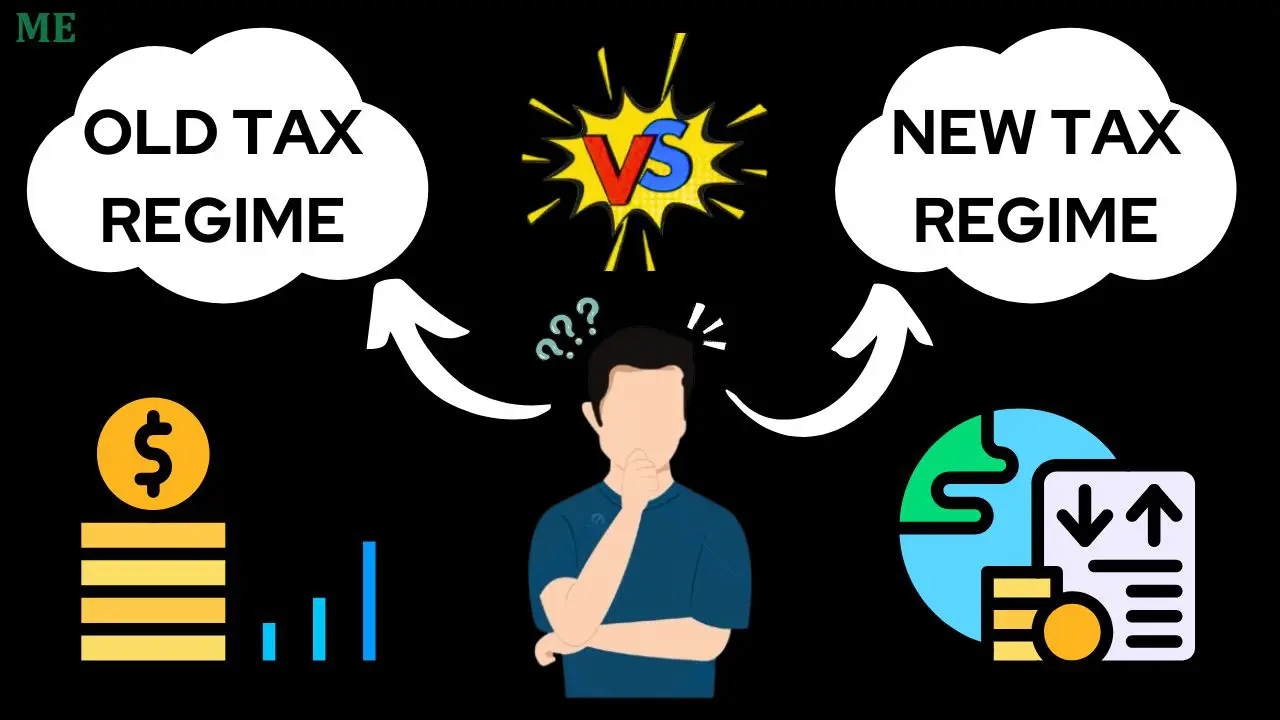
Old Regime and New Tax Regime: Which One is Better? Rate, Comparison & Benefits Manthan Experts July 14, 2025 Income Tax Consultancy, Knowledge Center Old Regime and New Tax Regime: Which One is Better? From F.Y. 2020-21 the tax structure for individuals in India is divided into two regimes: The Old Tax Regime and The New Tax Regime. These regimes offer different tax rates, exemptions, and deductions, allowing individuals to choose the one that suits them best. Below is an elaboration on both tax regimes and their respective tax slabs: Old Tax Regime (with exemptions and deductions) The Old Tax Regime allows taxpayers to avail of various exemptions and deductions under different sections like Section 80C (for investments), Section 80D (for insurance premiums), and other provisions. This regime is beneficial for individuals who have significant tax-saving investments. Tax Slabs under the Old Tax Regime for FY 2024-25 (Assessment Year 2025-26) Key Features of the Old Regime Exemptions: House Rent Allowance (HRA) Leave Travel Allowance (LTA) Special allowances like children education allowance, Medical allowance and Telephone allowance. Deductions: Section 80C (up to ₹1.5 lakh) for investments in PPF, EPF, NSC, etc. Section 80D for premiums on health insurance. Section 24(b) for home loan interest deduction (up to ₹2 lakh). Tax Rebate: The benefit of ₹12,500 (for individuals under ₹5 lakh income) is provided under section 87A for eligible taxpayers. New Tax Regime (without exemptions and deductions) The New Tax Regime was introduced in F.Y. 2020-21 to offers lower tax rates but does not allow taxpayers to claim deductions or exemptions. Tax Slabs under the New Tax Regime for FY 2024-25 (Assessment Year 2025-26) For individuals below 60 years of age: For Senior Citizens (60 years to 80 years): The tax slabs under the new regime are the same as for individuals below 60 years of age. For Super Senior Citizens (Above 80 years): The tax slabs are also the same as for individuals below 60 years of age. Key Features of the New Regime Lower Tax Rates: The New Regime offers reduced tax rates on income, but this comes at the cost of no deductions or exemptions. No Deductions or Exemptions: No claim for deductions under sections from 80C to 80U, 24(b), etc. No exemptions for HRA, LTA, or other similar allowances. Deductions allowed under New Tax Regime: Employer’s contribution to the National Pension Scheme (NPS) is allowable u/s 80CCD(1B). Agricultural income remains exempt as per Section 10(1). Tax Rebate under Section 87A: The tax rebate of ₹25,000 (under ₹7 lakh income) is available under the new tax regime. Note:- If Assesse want know more about deductions please visit to Income tax official website. Now if we discuss about Surcharge Under Old tax regime Surcharge is applied on the total income tax liability (excluding health and education cess) based on the following income slabs: Cess: After applying the surcharge, a 4% health and education cess is added. Under New tax regime Under the new regime, the surcharge rates are similar but with a key difference for higher incomes: Cess: Similar to old regime, a 4% health and education cess is applied after surcharge. Note: In the new tax regime, the maximum surcharge rate has been capped at 25%, even for incomes exceeding ₹5 crore, as opposed to 37% in old regime. For FY 2024-25 (AY 2025-26), the new tax regime continues to be the default tax regime for individual and HUF taxpayers. If assessee wants to opt for the old tax regime, then they are required to file Form 10IEA. Which Tax Regime Should You Choose? If assesses have significant deductions (e.g., PPF, insurance premiums, home loan interest), the Old Tax Regime might be beneficial, as it reduces taxable income. If assesses do not have many deductions and exemptions, the New Tax Regime with its lower tax rates might be more advantageous. Both regimes are available to individuals and HUF, and they can switch between them every financial year (with some restrictions for salaried taxpayers on employer’s provided benefits). It is important to assess individual’s financial situation and tax-saving options to choose the best tax regime. If you require assistance on filing Income Tax Return, Manthan Experts can be your trusted advisor. Contact them at info@manthanexperts.com.to discuss your specific needs and explore how their expertise can benefit your business. Table of Contents Introduction Old Tax Regime (with exemptions and deductions) Key Features of the Old Regime New Tax Regime (without exemptions and deductions) Key Features of the New Regime Which Tax Regime Should You Choose? Latest Blog and News Audit & Assurance GST Income Tax Consultancy ITR e-Filing Knowledge Center Other Payroll (PF & ESIC)
Preventive Measures to Avoid Income Tax Notice and Demand
Preventive Measures to Avoid Income Tax Notice and Demand Filing an Income Tax Return (ITR) is mandatory for various individuals and entities in India, even if they don’t owe any tax. Here’s a summary of who needs to file: Manthan Experts March 10, 2026 Blog, Income Tax Consultancy, ITR e-Filing Introduction To avoid income tax notices and demand notices, taxpayers should follow preventive measures to ensure compliance and accuracy in their tax filings. Here are some key steps: Accurate and Timely Filing of Income Tax Returns (ITR) File your ITR before the due date to avoid penalties and scrutiny. Ensure that you file the correct ITR form applicable to your income sources. Maintain Accuracy in Income Reporting Report all sources of income, including salary, business income, interest, rental income, and capital gains. Cross-check your income details with Form 16, Form 16A, and Form 26AS to avoid mismatches. Disclose any foreign income or assets (if applicable) to comply with legal requirements. Verify Tax Credits (TDS, Advance Tax and Self-Assessment Tax) Ensure that Tax Deducted at Source (TDS) is correctly reflected in Form 26AS and AIS/TIS. Pay advance tax if your total tax liability exceeds ₹10,000 in a financial year. If any discrepancy arises, contact the deductor to rectify the issue before filing your return. Avoid Claiming Incorrect Deductions and Exemptions Claim only eligible deductions under Section 80C, 80D, 80G, etc., with valid proof. Ensure the House Rent Allowance (HRA), Leave Travel Allowance (LTA), and Capital Gains Exemptions are backed by proper documentation. Maintain Proper Documentation and Records Keep salary slips, bank statements, property sale agreements, mutual fund statements, investment proofs, and expense receipts for at least 6 years. Maintain business-related invoices, balance sheets, and GST records for accurate income reporting. Reconcile AIS/TIS Before Filing The Annual Information Statement (AIS) and Taxpayer Information Summary (TIS) show all high-value transactions and financial activities. Any mismatch between AIS/TIS and your ITR may trigger a scrutiny notice. Avoid Cash Transactions and Large Deposits Cash deposits above ₹10 lakh in savings accounts or ₹50 lakh in current accounts may attract tax scrutiny. Property transactions above ₹30 lakh, stock market gains, and foreign remittances above ₹7 lakh (LRS) are reported to the tax department. Respond to Notices and Communications Promptly If you receive any tax notice, respond within the specified time to avoid penalties or further legal action. Use the Income Tax e-Filing portal to track pending notices and demands. File Revised Return (If Required) If you discover an error after filing, submit a revised return under Section 139(5) before the deadline. Seek Professional Assistance If your return involves complex income sources, foreign income, or high-value transactions, consult a chartered accountant or tax expert to ensure proper compliance. If you require assistance with Income Tax Notices/Demands, Manthan Experts can be your trusted advisor. Contact them at info@manthanexperts.com.to discuss your specific needs and explore howtheir expertise can benefit your business. Search Table of Contents Introduction Accurate and Timely Filing of Income Tax Returns (ITR) Maintain Accuracy in Income Reporting Verify Tax Credits (TDS, Advance Tax and Self-Assessment Tax) Avoid Claiming Incorrect Deductions and Exemptions Maintain Proper Documentation and Records Reconcile AIS/TIS Before Filing Avoid Cash Transactions and Large Deposits Respond to Notices and Communications Promptly File Revised Return (If Required) Seek Professional Assistance Latest Blog and News Audit & Assurance Blog Bookkeeping & Accounting GST Income Tax Consultancy ITR e-Filing Knowledge Update Payroll (PF & ESIC)